Source Sugarcane Juicer for juice bars, street vendors, and farms
Compare 30 Sugarcane Juicer models with varying power, capacity, and materials. Buyers can evaluate electric and manual options for commercial juice extraction needs.
Key considerations
Products List


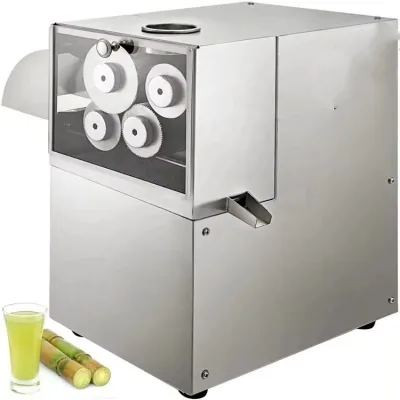
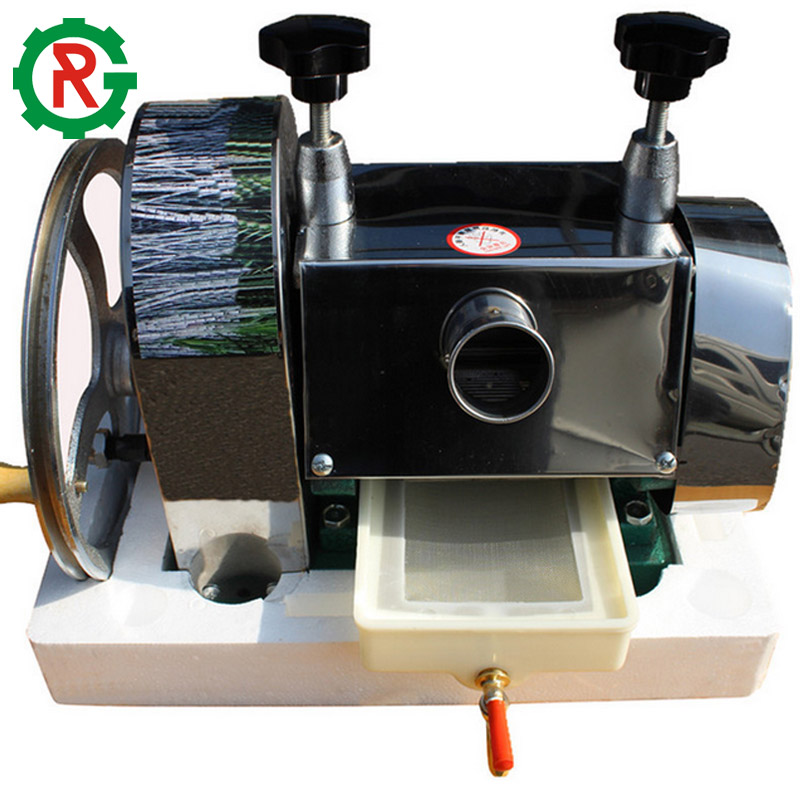
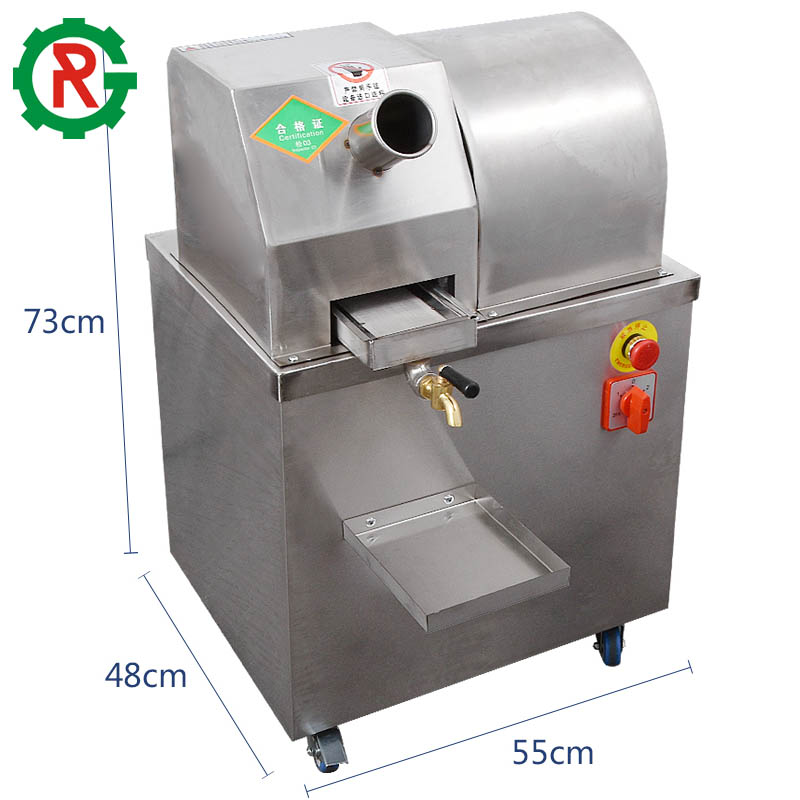
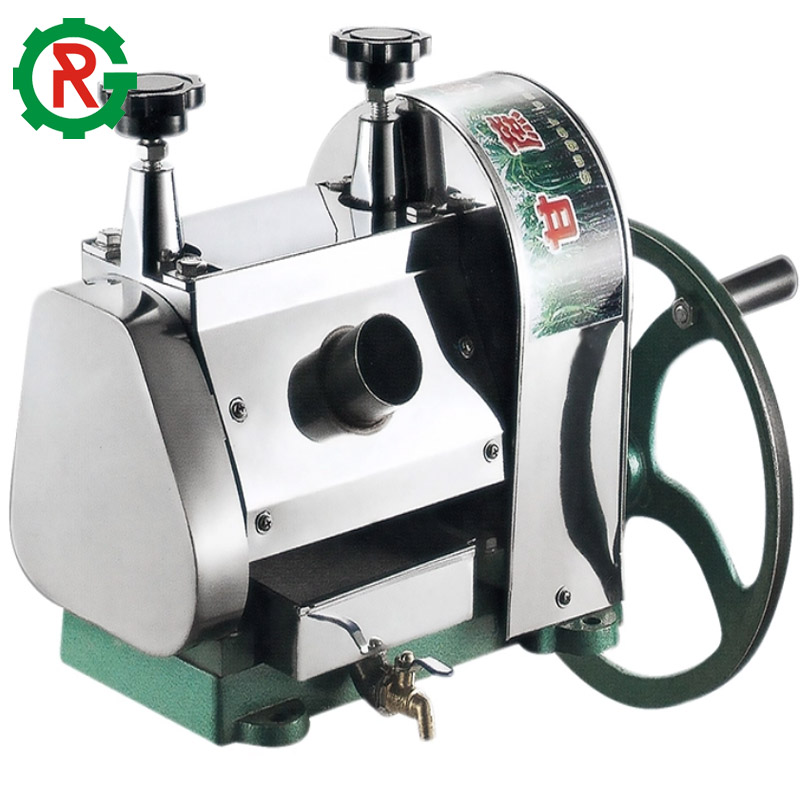


Electric Sugar Cane Juicer Machine / Sugarcane Juice Machine / Sugarcane Juicer
$1359.00 - $2189.00
MOQ: 1 Sets


Automatic Commercial Electric Sugarcane Juicer Sugarcane Crusher Sugarcane Juicer
$350.00 - $450.00
MOQ: 5 Pieces

Comprehensive Sourcing Guide
Strategic Sourcing Guide for Industrial Sugarcane Juicers
Understanding the Technical Landscape of Sugarcane Extraction Equipment
The global market for sugarcane juicing machinery is characterized by a diverse range of solutions, from compact manual units to high-capacity industrial extractors. When sourcing a Sugarcane Juicer, the primary objective is to align the machine's technical specifications with the intended production volume and operational environment. The observed product data reveals a significant variance in power requirements, with electric models ranging from 350W to 800W, indicating distinct use cases for small-scale vendors versus commercial processing facilities.
A critical technical differentiator is the power source and voltage compatibility. While some units are designed for standard 220V/110V residential or small commercial grids, other industrial-grade models operate on 380V three-phase power, which is essential for heavy-duty continuous operation. The rotational speed of the rollers also varies, with observed data showing speeds as low as 25r/min, suggesting a design focus on gentle extraction to preserve juice quality rather than high-speed throughput.
The core mechanical components are pivotal for durability and performance. The majority of reliable units utilize stainless steel for the main body and rollers, ensuring resistance to corrosion and adherence to food safety hygiene standards. The core components typically include high-quality bearings and electric motors. The number of rollers is another specification to verify; observed models feature a 3-roller configuration, which is standard for efficient crushing and juice extraction. The feed and discharge port sizes are equally important for operational flow. Specifications indicate feed ports around 220mm and discharge ports near 240mm, dimensions that must accommodate the physical size of sugarcane stalks to prevent jamming.
Evaluating Production Capacity and Efficiency Metrics
For buyers planning to scale their operations, understanding the throughput capacity is the most critical factor in supplier selection. The market data presents a wide spectrum of production rates. Some compact or semi-automated units are rated for a production capacity of approximately 50kg/h, suitable for small kiosks or single-store operations. In contrast, industrial-grade machinery boasts capacities ranging from 300 to 350kg/h, making them viable for wholesale distribution or large-scale beverage production.
Efficiency is measured by the juice extraction rate, which indicates the percentage of liquid recovered from the raw material. High-performance models in the current market demonstrate a juice rate between 75% and 85%. This metric directly impacts the cost of goods sold; a higher extraction rate means less raw sugarcane is required to produce a specific volume of juice, improving overall profitability. Buyers should verify this claim against independent testing or machinery test reports, which are noted as available for certain models.
The physical dimensions of the machine also play a role in capacity planning. Industrial units often have larger footprints, with dimensions such as 52cm x 33cm x 50cm or larger, while compact models may measure 430mm x 320mm x 360mm. It is essential to cross-reference the machine's physical size with the available floor space in the intended facility. Furthermore, the weight of the unit, ranging from 30kg for portable models to 65kg for heavier industrial variants, affects installation requirements and the need for reinforced flooring or mobile bases.
Cost Drivers and Pricing Structure Analysis
The pricing of sugarcane juicers is influenced by a complex interplay of factors, including material quality, motor power, automation level, and packaging standards. The observed price range in the market spans from $169 to $5,000 USD. This broad spectrum reflects the difference between basic, hand-operated or low-power electric units and fully automated, high-capacity industrial systems.
Material composition is a primary cost driver. Units constructed entirely from stainless steel command a premium over those with mixed materials, as stainless steel offers superior longevity and compliance with food safety regulations. The inclusion of high-grade core components, such as specialized bearings and robust motors, also increases the unit cost but reduces the risk of premature failure. Additionally, the complexity of the processing type—whether it is a simple press or a multi-stage extractor—affects the final price.
Packaging and logistics represent another significant cost component. The standard packaging for these machines is often a wooden crate, designed to protect the equipment during international shipping. The single package size and gross weight, which can reach 65kg, directly influence freight costs. Buyers must consider that the "Selling Units" are typically listed as single items, meaning the Minimum Order Quantity (MOQ) is often 1, though bulk orders may offer volume discounts. The observed MOQ range of 1 to 5 units suggests flexibility for small buyers, but larger procurement strategies should negotiate based on total volume to optimize shipping efficiency.
Compliance, Certification, and Safety Standards
When importing sugarcane juicers, particularly from regions like Henan, China, verifying compliance with international safety and quality standards is non-negotiable. While specific certification names are not universally listed for every model, buyers must ensure that the machinery meets the electrical safety standards of their destination country. The voltage specifications observed, such as 220V/110V or 380V, must match the local grid infrastructure to prevent equipment damage or safety hazards.
Food safety compliance is paramount. The use of stainless steel materials is a baseline requirement, but buyers should also inquire about the specific grade of steel used (e.g., 304 or 316) to ensure it is food-grade and resistant to acidic sugarcane juice. The presence of a machinery test report is a strong indicator of quality assurance. This document should detail the performance of the machine under load, verifying the claimed juice rate and power consumption.
Warranty terms are another critical aspect of compliance and risk management. The standard warranty period observed in the market is one year. This coverage typically applies to core components like the motor and bearings. Buyers should scrutinize the warranty terms to understand what is excluded, such as wear and tear on rollers or damage caused by improper operation. Additionally, the "Key Selling Points" such as "High Productivity" or "Low Noise Level" should be backed by technical data sheets rather than marketing claims alone.
Supplier Evaluation and Origin Verification
The geographic origin of the machinery is a significant factor in the sourcing decision. The majority of the observed products originate from Henan, China, a region known for its manufacturing base in agricultural machinery. When evaluating suppliers, buyers should verify the "Place of Origin" and ensure it matches the shipping documentation. A supplier claiming a different origin without justification may be engaging in misrepresentation.
Supplier reliability can be assessed through the availability of detailed product attributes. Reputable suppliers provide comprehensive specifications, including the model number (e.g., SJ-1T, YF-L100), brand name, and detailed dimensions. The presence of a "Product Name" that accurately reflects the function, such as "Sugarcane Machine Juicer" or "Sugarcane Juicing Machine," indicates a level of transparency. Buyers should also check for the availability of customization options, as some suppliers offer tailored solutions for specific production needs.
The "Customized" attribute and "Customization Available" status suggest that suppliers may be willing to modify the machine for specific requirements. This is a valuable feature for buyers with unique operational constraints. However, customization often extends lead times and may affect the warranty terms. It is essential to establish clear communication regarding the scope of customization and any additional costs involved before placing an order.
Quality Control and Long-Term Procurement Strategy
Implementing a robust quality control (QC) protocol is essential for mitigating risks associated with international procurement. Given the variance in observed weights and dimensions, buyers should request pre-shipment inspection reports. These reports should verify that the actual product matches the listed specifications, including the weight (e.g., 55kg vs. 57kg), dimensions, and power ratings. The "Machinery Test Report" mentioned in the product data is a critical document for this verification process.
Long-term procurement considerations extend beyond the initial purchase price. Buyers should evaluate the availability of spare parts, particularly for core components like bearings and motors. The "Warranty" period of one year is a standard baseline, but the long-term cost of ownership depends on the durability of the machine and the ease of maintenance. Machines with a "Low Noise Level" and "High Productivity" are likely to have better operational efficiency and lower maintenance costs over time.
The "Processing Type" of the machine, whether it is a simple extractor or a more complex system, should align with the buyer's long-term growth plans. A machine with a capacity of 300-350kg/h offers scalability that a 50kg/h unit cannot. Additionally, the "Raw Material" compatibility, specifically sugarcane, should be confirmed to ensure the machine is not limited to specific varieties of cane.
Comparative Analysis of Machine Specifications
To facilitate informed decision-making, the following table summarizes the key technical and operational differences observed across the available product range. This comparison highlights the trade-offs between capacity, power, and physical dimensions.
| Feature | Compact / Low-Capacity Model | Industrial / High-Capacity Model |
|---|---|---|
| Power Rating | 350W | 800W |
| Voltage | 220V / 110V | 380V |
| Production Capacity | 50 kg/h | 300-350 kg/h |
| Juice Extraction Rate | Not specified (Standard) | 75% - 85% |
| Net Weight | 30 kg | 55 kg - 65 kg |
| Dimensions (L x W x H) | 430 x 320 x 360 mm | 520 x 330 x 500 mm |
| Roller Diameter | Not specified | 200 mm |
| Number of Rollers | Hand-operated / Variable | 3 |
| Material | Stainless Steel | Stainless Steel |
| Warranty | One Year | One Year |
| Packaging | Standard Box / Crate | Wooden Crate |
| Key Selling Point | Low Noise Level | High Productivity |
This comparison underscores the importance of matching the machine's specifications to the buyer's specific operational needs. While the compact model offers lower initial investment and ease of installation, the industrial model provides the throughput necessary for commercial viability. Buyers must weigh these factors against their budget and production goals to make a strategic procurement decision.
Final Procurement Recommendations
Sourcing a Sugarcane Juicer requires a meticulous approach that balances technical specifications, cost considerations, and supplier reliability. By focusing on the core components, power requirements, and production capacity, buyers can identify equipment that meets their operational demands. The observed data indicates a mature market with a wide range of options, from entry-level units to advanced industrial systems.
Buyers should prioritize suppliers who provide comprehensive documentation, including machinery test reports and clear warranty terms. Verifying the origin and ensuring compliance with local electrical and food safety standards are essential steps to mitigate risk. Finally, considering the long-term cost of ownership, including maintenance and spare parts availability, will ensure a sustainable and profitable investment in sugarcane juicing technology.
FAQs
What is the production capacity of industrial sugarcane juicers?
Industrial models typically produce between 300 and 350 kilograms per hour. This high throughput suits commercial beverage production, whereas smaller units may only reach 50 kilograms per hour for single-store operations.
Can I find sugarcane juicers with 380V voltage options?
Yes, high-capacity industrial machines operate on 380V three-phase power. Standard residential units often use 220V or 110V, so verify the voltage specification matches your local electrical grid before purchasing.
Which material is used for the main body of these machines?
Most reliable units are constructed from stainless steel to ensure food safety and corrosion resistance. This material choice is critical for maintaining hygiene standards during the juice extraction process from sugarcane.
How much does a Sugarcane Juicer cost in the current market?
Prices range from 169 to 5000 USD depending on the model and capacity. Basic electric or hand-operated units are at the lower end, while fully automated industrial systems command higher prices.
What is the warranty period for sugarcane juicing machines?
The standard warranty period observed in the market is one year. This coverage typically applies to core components like the motor and bearings, though specific terms may vary by supplier.
Can I customize the Sugarcane Juicer for specific production needs?
Yes, customization is available for many models to meet unique operational requirements. Buyers should confirm the scope of modifications and any potential impact on lead times or warranty terms before ordering.
What is the juice extraction rate for high-performance models?
High-performance models demonstrate a juice rate between 75% and 85%. This efficiency metric indicates the percentage of liquid recovered, directly impacting the cost of goods sold for juice producers.